If you’ve stepped into any school or college campus lately, you’ve probably noticed something — things just aren’t the way they used to be. Classrooms look different. Even the way teachers talk about “success” has changed. That’s exactly why education trends 2026 is becoming one of the most searched topics among students, parents, and even working professionals trying to reskill.
I’ve spent a fair bit of time talking to teachers and ed-tech folks over the past year, and one thing is clear: the pace of change isn’t slowing down. Some of it is exciting. Some of it, honestly, feels a little overwhelming. Let’s break down what’s actually happening.
Why Tracking Education Trends 2026 Matters
Here’s the direct answer: staying updated on education trends 2026 helps students choose the right courses, helps parents make smarter school decisions, and helps professionals figure out which skills will actually matter in the job market over the next five years.
It’s not just about buzzwords. Missing a shift — like the move toward skill-based hiring — can mean spending three years on a degree that employers barely glance at anymore.
AI-Assisted Learning Is No Longer Optional
Every second student I talk to now uses some form of AI tool for homework, revision, or even essay structuring. Schools that resisted this for years are finally building it into their curriculum.
- Personalized learning paths powered by AI diagnostics
- AI tutors available 24/7 for doubt-clearing
- Adaptive testing that adjusts difficulty in real time
Is this a good thing? Mostly, yes. But I do worry a bit about students leaning on it too much instead of building their own problem-solving muscle. There’s a balance here that not everyone has figured out yet.
Skill-Based Hiring Over Degrees
Companies, especially in tech and design, are quietly shifting away from “must have a degree” job postings. Portfolios, certifications, and project work are carrying more weight than ever.
Picture a 22-year-old in Jaipur who skipped a formal computer science degree, built three solid apps, and got hired by a mid-sized startup purely on the strength of her GitHub profile. That story is becoming a lot more common than it was five years ago.
Hybrid and Flexible Learning Models
Fully offline education is fading in a lot of places, but so is fully online — turns out students genuinely missed the classroom energy. What’s sticking around is a mix.
Quick answer: Hybrid learning combines in-person classroom interaction with flexible online modules, letting students learn at their own pace while still getting mentorship and peer discussion.
Mental Health Gets a Real Seat at the Table
This one took long enough. Schools and colleges are finally treating student mental health as part of the curriculum, not an afterthought.
- Counseling cells becoming mandatory in colleges
- Reduced exam pressure through continuous assessment models
- Awareness modules built into orientation weeks
Vocational and Micro-Credential Courses on the Rise
Not everyone wants — or needs — a four-year degree anymore. Micro-credentials from platforms like Coursera, upGrad, and even LinkedIn Learning are being recognized by more employers.
[link to related guide about online certifications here]
Global Classrooms Through Technology
Indian students collaborating on projects with peers in Germany or Canada isn’t rare anymore. Video-based international exchange programs are becoming a standard feature, not a premium add-on.
Sustainability Education Is Becoming Core, Not Elective
Climate literacy is finding its way into school syllabi across boards. It’s not just science class anymore — it’s showing up in economics, geography, even language classes through essay topics.
FAQs
Q: What is the biggest education trend for 2026? AI-integrated personalized learning is probably the single biggest shift, changing how students study and how teachers plan lessons.
Q: Are degrees becoming less important? Not entirely, but skills and portfolios are catching up fast, especially in tech, design, and marketing fields.
Q: Is hybrid learning better than fully online learning? For most students, yes — it combines flexibility with the human connection that pure online courses often lack.
Q: How can parents keep up with these changes? Following credible education blogs, attending school orientation sessions, and talking directly to teachers about curriculum updates helps a lot.
Q: Will vocational courses replace traditional degrees? Not fully, but they’re becoming a serious parallel path, especially for practical, job-ready skills.
Conclusion
Keeping an eye on education trends 2026 isn’t just about sounding informed at dinner conversations — it genuinely shapes the choices you make about courses, careers, and even parenting decisions. Pick one or two trends here that feel most relevant to your situation and start there. Don’t try to chase everything at once; that’s how burnout happens.
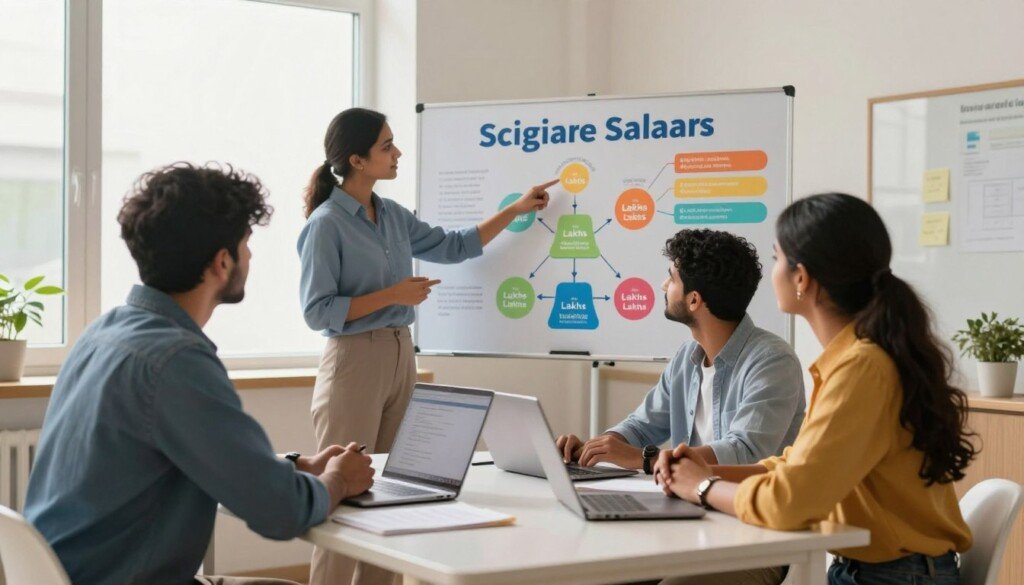
Suggested image alt text: “Students using AI-powered learning tools in a 2026 classroom setting”