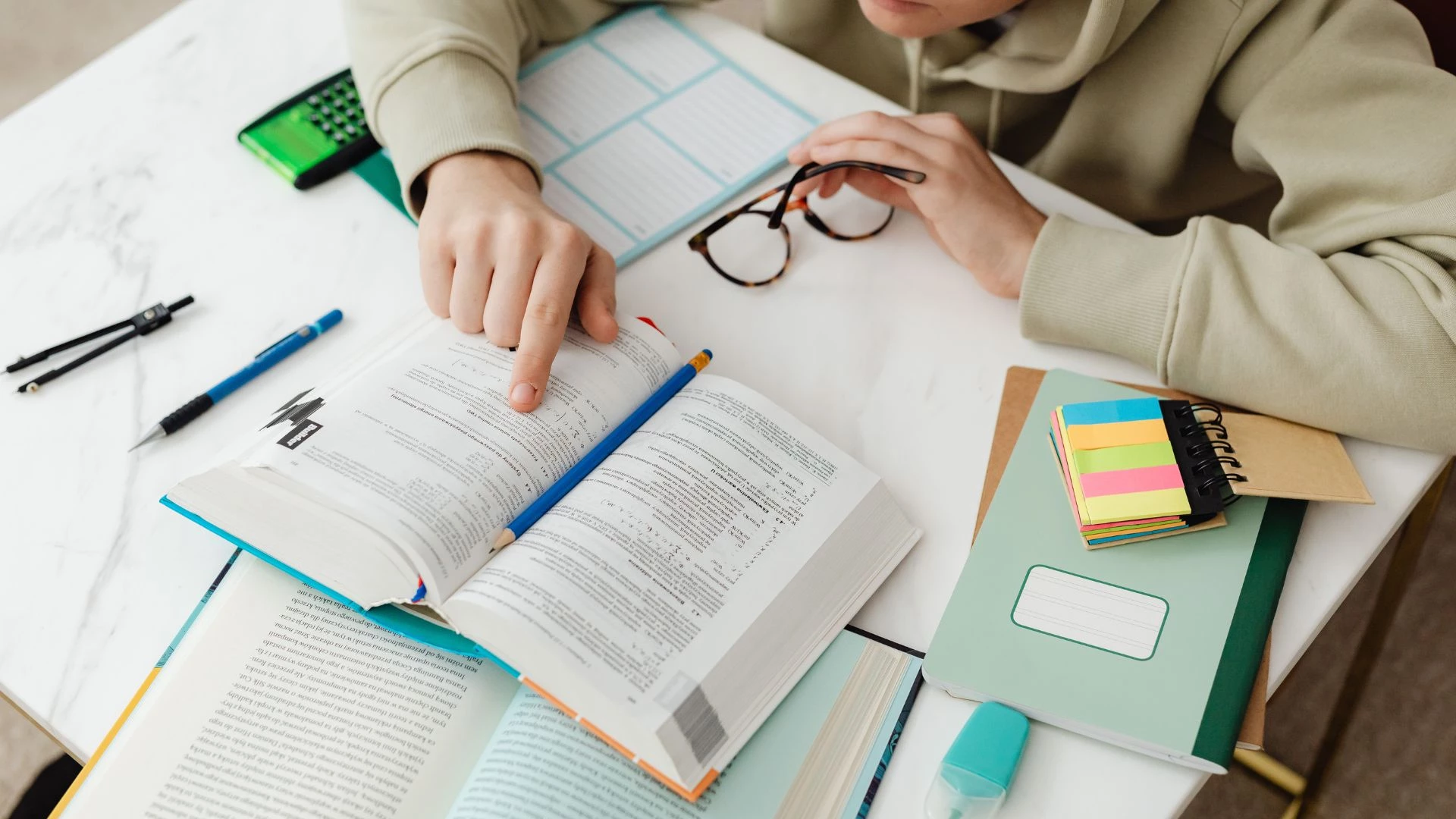
Sweaty palms. Blank mind the second you see the question paper. Racing heart during the last five minutes of an exam you were otherwise prepared for. If any of this sounds familiar, you’re definitely not alone — and these exam fear tips come from real patterns I’ve noticed across students who’ve actually worked through it, not just textbook advice.
Here’s something people don’t say enough: being well-prepared doesn’t automatically mean you won’t feel anxious. Anxiety and preparation are two separate things, and treating them separately actually helps.
Why Do Smart, Prepared Students Still Get Exam Fear?
Quick answer: Exam fear usually stems from fear of judgment, past negative experiences, or perfectionism — not lack of preparation — which is why even toppers often experience it, and why these exam fear tips focus on managing the mind, not just the syllabus.
Understand What’s Actually Triggering Your Anxiety
Is it fear of failing parents’ expectations? Comparison with peers? A bad experience from a previous exam? Naming the actual trigger makes it easier to address directly instead of just feeling generally “stressed.”
- Fear of disappointing family or teachers
- Past exam trauma or a particularly bad result
- Comparison with high-scoring classmates
- General perfectionism and fear of imperfection
Practice Under Exam-Like Conditions
One of the biggest reasons anxiety spikes during the actual exam is unfamiliarity with the pressure itself. Timed mock tests in a quiet room, without your phone nearby, train your brain to handle that specific stress.
Picture a student who always studied with music playing and their phone within reach, then panicked in the silent, phone-free exam hall — not because they didn’t know the material, but because the environment itself felt foreign.
Breathing Techniques That Actually Work
Simple, but genuinely effective when practiced regularly, not just tried once during a panic moment.
- 4-7-8 breathing: inhale for 4 seconds, hold for 7, exhale for 8
- Box breathing: 4 seconds each for inhale, hold, exhale, hold
- Practice these daily, not just before exams, so they become automatic
[link to related guide about mindfulness for students here]
Reframe Negative Self-Talk
“I’m going to fail” and “I might struggle with this section, but I’ll work through it” lead to very different mental states walking into an exam hall.
Talk to Someone — Seriously
Bottling it up rarely helps. A teacher, parent, counselor, or even a friend going through the same exam can genuinely lighten the load. This isn’t weakness; it’s basic mental hygiene.
Sleep and Nutrition Aren’t Optional Extras
Skipping sleep to cram right before an exam often backfires badly, spiking anxiety while reducing actual recall ability the next day.
- Prioritize 7–8 hours of sleep the night before
- Avoid excessive caffeine on exam day
- Eat a light, balanced meal — not too heavy, not on an empty stomach
Have a Simple Exam-Day Routine
Predictability calms anxiety. A fixed routine — same breakfast, reaching the center early, a quick review of key formulas — reduces last-minute chaos and panic.
FAQs
Q: Is exam fear normal or a sign of a bigger problem? Mild to moderate exam fear is very common and normal, but if it’s severely affecting daily life or performance consistently, talking to a counselor is worth considering.
Q: Can exam fear actually affect my performance? Yes, significant anxiety can cause blanking out or careless mistakes even when you know the material well, which is why managing it matters as much as studying.
Q: What should I do if I panic during the exam itself? Pause for 30 seconds, take a few deep breaths, and move to a question you’re confident about first to rebuild momentum.
Q: Do toppers experience exam anxiety too? Very often, yes — many high scorers openly admit to pre-exam nerves; the difference is usually in how they manage it, not whether they feel it.
Q: How far in advance should I start working on managing exam anxiety? Ideally a few weeks before the exam, so techniques like breathing exercises and mock practice become familiar habits rather than last-minute tricks.
Conclusion
Exam fear doesn’t disappear overnight, and that’s okay. These exam fear tips work best when practiced consistently, not just remembered the night before a big test. Be a little kinder to yourself through this process — preparation matters, but so does how you treat your own mind along the way.
Suggested image alt text: “Student practicing breathing exercises to manage exam fear before a test”