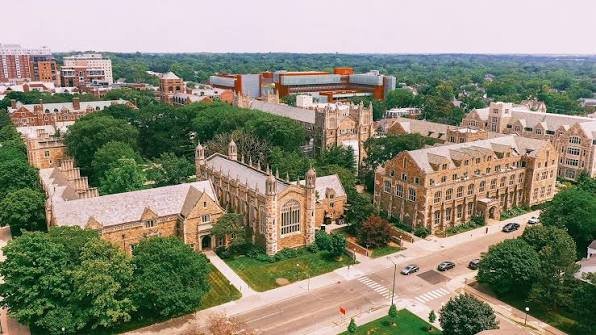
There’s a particular kind of nervousness that hits when you’re sitting in a classroom (physical or virtual) decades after your last formal exam, surrounded by people half your age. If you’re considering how to resume education after career break, know that this feeling is completely normal — and completely manageable.
I’ve watched a family friend go back to complete her postgraduate degree at 42, after a 15-year gap raising kids. The first few weeks were rough, she admits, but by the end of the first semester, she’d found her rhythm entirely.
Is It Realistic to Resume Education After a Long Career Break?
Quick answer: Yes — adults can absolutely resume education after career break, whether it’s due to family responsibilities, health reasons, or a job gap, and many universities now specifically design flexible programs recognizing this exact need, with growing support systems for older or returning students.
Start By Clarifying Your Actual Goal
Are you returning for a specific career change, personal fulfillment, or to complete unfinished academic goals? The reason shapes which program and pace suits you best.
- Career-focused: look for programs with strong placement or industry connections
- Personal growth: flexibility and genuine interest matter more than rankings
- Completing prior studies: check if previous credits can be transferred or recognized
Choose Flexible, Adult-Friendly Programs
Full-time, rigid programs designed for fresh school leavers often don’t fit adult learners’ realities — family responsibilities, existing work commitments, different learning paces.
- Distance and online degree programs (IGNOU, and similar)
- Part-time evening or weekend programs at local universities
- Modular certificate programs that build toward a larger qualification over time
Rebuilding Study Habits Takes Time — That’s Okay
Picture someone who hasn’t written a formal exam in twenty years, suddenly needing to take notes, manage deadlines, and sit through lectures again — the rustiness is real, but it fades within the first few weeks of consistent practice, faster than most people expect.
[link to related guide about study skills for adult learners here]
Financial Planning for Returning Students
- Research scholarships or grants specifically for adult or returning learners
- Consider part-time study to keep some income flowing during the transition
- Check if your employer offers any education support or sponsorship programs
Balancing Family and Study Responsibilities
This is often the hardest practical challenge. Open conversations with family about the time commitment, sharing responsibilities more deliberately, and choosing flexible-schedule programs all genuinely help.
- Communicate your study schedule clearly with family members
- Identify specific, protected study time blocks, even if just 1–2 hours daily
- Don’t feel guilty about needing this time — it’s a legitimate investment in yourself
Connecting With Other Adult Learners
Many programs now have specific support groups or forums for adult and returning students — genuinely useful for both practical tips and the reassurance that you’re not the only one navigating this.
Technology Comfort — A Real But Solvable Hurdle
If it’s been years since you used academic software, learning management systems, or even basic digital research tools, expect a short learning curve here too — most universities offer orientation sessions specifically addressing this.
FAQs
Q: Is it too late to resume education after a 10+ year career break? No, it’s genuinely not too late — many universities and programs are specifically designed to welcome returning adult learners, and age is rarely a formal barrier to enrollment.
Q: How do I choose between online and in-person study after a career break? Online often suits adults balancing family or work commitments better, though in-person study offers stronger networking and structure if your schedule allows for it.
Q: Will I struggle academically compared to younger students? Initial adjustment is common, but adult learners often bring valuable real-world experience and stronger discipline that frequently offsets any rustiness in formal study habits.
Q: Are there financial aid options specifically for adult learners? Yes, several universities and government schemes offer scholarships or fee concessions targeted at adult and returning students — worth researching specifically for your chosen institution.
Q: How do I manage family responsibilities while studying as an adult? Open communication with family, realistic scheduling, and choosing flexible-format programs are the most practical ways to balance both effectively.
Conclusion
Choosing to resume education after career break takes real courage, and the initial adjustment period is genuinely challenging — but it’s entirely achievable with the right program choice and support system around you. Give yourself grace during the first few months, and remember that the life experience you bring is an asset, not a disadvantage, in this new academic chapter.
Suggested image alt text: “Adult learner returning to studies after a career break with books and laptop”